Understanding Felt Roofs
Felt roofing, a popular option for flat and low-pitched roofs, has stood the test of time due to its durability and cost-effectiveness. As homeowners and property managers seek reliable roofing solutions, understanding the characteristics and applications of felt roofs becomes essential. This article delves into the benefits of felt roofing, common misconceptions, and key considerations when choosing a contractor. Whether you're a homeowner planning a new installation or a landlord maintaining a property, having the right insights into felt roofing can significantly affect your decision-making process. When exploring options, felt roof systems provide comprehensive insights that could guide your choices.
What is a Felt Roof?
A felt roof is essentially a flat roofing system that utilizes felt as a primary material. Typically, this felt consists of multiple layers of bitumen-saturated material, which are bonded together to create a waterproof membrane. The felt is often then topped with a protective layer, such as gravel or a mineral surface, to enhance its durability and resistance to UV damage. This type of roofing is most commonly found on outbuildings, garages, and extensions, where its low-maintenance qualities serve well.
Benefits of Using Felt Roofing
- Cost-Effectiveness: Felt roofing is usually less expensive than other roofing materials, making it a popular choice for budget-conscious homeowners.
- Quick Installation: The installation process is straightforward, allowing for reduced labor costs and quicker project completion.
- Durability: When installed correctly, felt roofing can last up to 20 years or more, providing reliable protection against the elements.
- Maintenance: Felt roofs require minimal maintenance, with periodic inspections and minor repairs, which is advantageous for busy homeowners.
Common Misconceptions About Felt Roofs
Many people believe that felt roofs are not as sturdy as other roofing materials, such as tiles or metal. However, modern felt roofing systems are designed with advanced technologies that enhance their strength and weather resistance. Another misconception is that felt roofs cannot be repaired; in fact, small damages can often be easily mended, prolonging the lifespan of the roof without the need for a complete replacement.
Choosing the Right Felt Roofing Specialist
Finding the right contractor for your felt roofing project is crucial for ensuring the quality and longevity of your roof. The right roofing specialist should possess not only technical skills but also the right credentials and experience in felt roofing systems.
What to Look for in a Contractor
When selecting a roofing contractor, look for professionals who are licensed, insured, and have a portfolio showcasing their previous work. Additionally, reputable contractors should provide written estimates and be willing to discuss the specific needs of your project. Transparency in communication is essential for building trust.
Importance of Insurance and References
Insurance is a non-negotiable aspect when hiring a roofing contractor. This protects you from liability in case of accidents or damage during the project. Furthermore, asking for references can provide insight into the contractor’s reliability and the quality of their previous work, helping you make an informed decision.
How to Verify Roofing Credentials
To verify a contractor's credentials, check for licenses through local business bureaus or regulatory agencies. You can also review online ratings and testimonials from previous clients. A reputable contractor will typically have a digital footprint, including a professional website and active presence on social media platforms.
Installation and Maintenance of Felt Roofs
Understanding the installation and maintenance practices for felt roofs is essential for maximizing their lifespan. Adhering to industry standards during installation can prevent common issues such as leaks and structural damage.
Best Practices for Felt Roof Installation
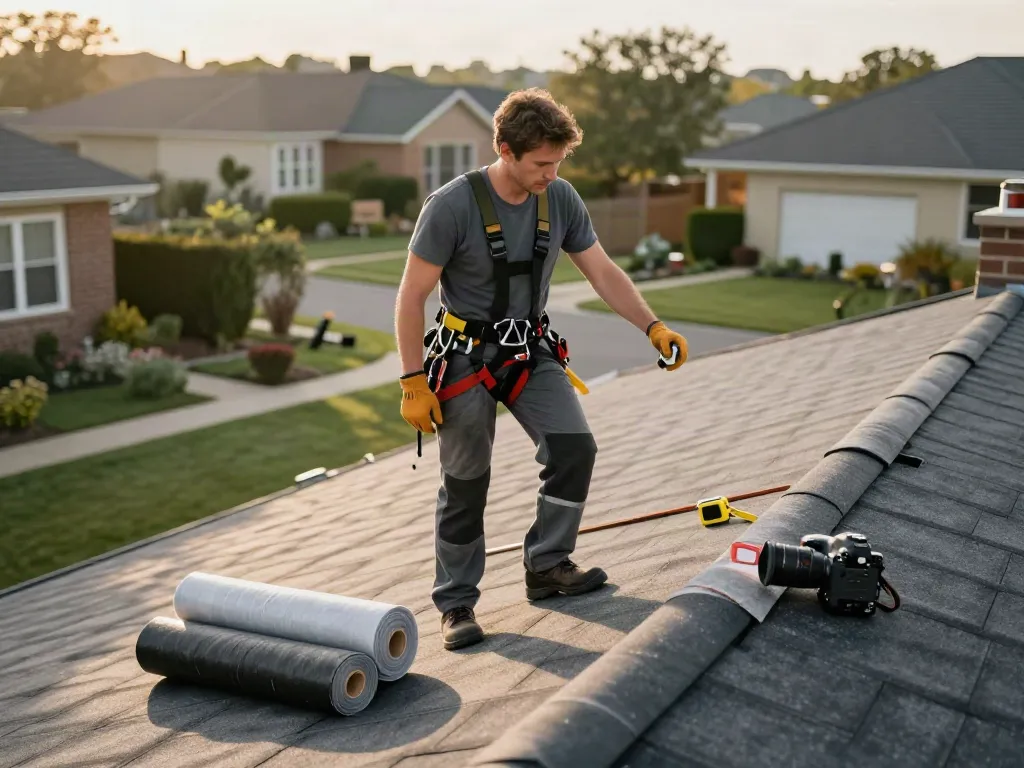
Proper installation of a felt roof involves several critical steps. First, the surface must be clean and dry before applying the felt. Layers should be installed with careful attention to overlaps, ensuring that water cannot penetrate through seams. Experienced contractors will also apply a high-quality adhesive or torch-on method for optimal bonding, enhancing the roof's waterproof capabilities.
Maintenance Tips for Longevity
- Regular Inspections: Schedule inspections at least twice a year, focusing on checking for damage, loose edges, and ponding water.
- Clear Debris: Keep the roof clear of leaves, branches, and other debris to prevent clogging drainage systems and retaining moisture.
- Prompt Repairs: Address any leaks, blisters, or tears immediately to prevent further damage and costly repairs down the line.
Signs Your Felt Roof Needs Repair
Be vigilant for signs indicating that your felt roof requires repair. Look for sagging in certain areas, water stains on the interior ceilings, or visible cracks in the felt. If you notice pooling water or significant wear on the surface, it’s essential to contact a roofing specialist as soon as possible.
Comparing Felt Roofing Options
Various felt roofing materials and systems are available, each with its unique benefits and cost implications. Understanding these options can help you choose the best fit for your property.
Different Types of Felt Roofing Materials
Felt roofing materials can generally be categorized into several types: traditional bitumen felt, polyester-based materials, and torch-on felt. Torch-on felt is particularly popular due to its seamless finish and superior waterproofing properties. Each type offers different advantages, such as UV resistance or enhanced durability.
Cost Considerations for Felt Roofs
The cost of installing a felt roof varies based on the materials used, the complexity of the installation, and the size of the roof. It's crucial to obtain multiple quotes from contractors to ensure competitive pricing while not compromising on quality. Comparing the cost of felt roofing to other materials, such as asphalt shingles or metal roofing, will help you determine the best value for your investment.
Comparing Felt Roofing to Other Materials
When weighing felt roofing against other choices, consider the longevity, maintenance requirements, and overall cost-effectiveness. While materials like metal may offer longer lifespans and higher durability, felt roofs are often more affordable and easier to install, making them a practical option for many homeowners.
Future Trends in Felt Roofing
As the construction industry evolves, so too do the materials and techniques used in roofing. Staying informed about these trends can ensure that you make wise decisions for your property's future.
Innovative Techniques and Materials
The roofing industry is seeing innovations such as reinforced tear-resistant materials and self-healing membranes that improve the durability of felt roofs. These advancements allow for improved performance, making felt roofing even more competitive against other materials.
The Impact of Climate Change on Roofing Choices
Climate change is shifting the landscape of roofing choices, as homeowners seek materials that can withstand extreme weather. Felt roofing is adapting through the use of better insulating properties and materials designed to endure higher temperatures and more intense rain.
Predictions for the Roofing Industry in 2026
The roofing industry is expected to grow significantly, with a trend toward sustainable materials and eco-friendly installation practices. Homeowners increasingly look for energy-efficient solutions, leading to greater demand for insulated felt roofs.
What Homeowners Should Expect
As we approach 2026, homeowners can expect greater transparency in pricing and installation practices, along with an increase in roofing warranties. With advancements in technology, roofers will also be able to provide more detailed inspections and assessments, leading to better-informed choices for property owners.