The Evolution of Cat Trees: A 2026 Perspective
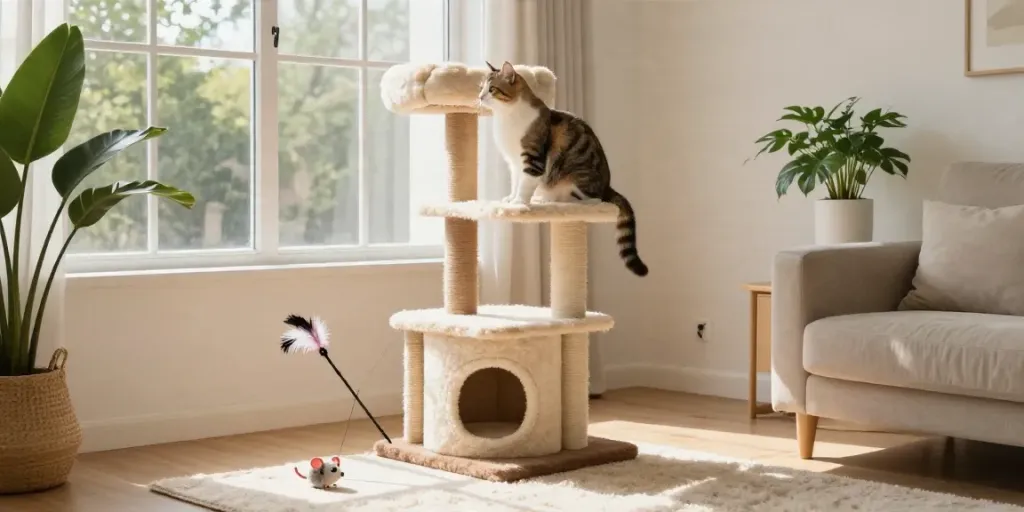
As cat owners become increasingly aware of their feline friends' needs, the design and functionality of cat trees have evolved dramatically. Once a simple structure made of cardboard or wood, today’s cat trees serve not just as play areas but as essential components of a cat's environment that enhance well-being. Modern cat trees offer a blend of style, durability, and engaging features that cater to cats of all sizes and temperaments. In exploring options, cat tree designs have become more sophisticated, integrating various elements that contribute to both the aesthetics of your home and your cat’s happiness.
Historical Overview of Cat Trees
The concept of the cat tree dates back to the early 20th century when pet owners started to realize the importance of vertical space for cats. Originally, these structures were simple and basic, often resembling wooden platforms with scratching posts attached. As the bond between humans and cats deepened, so did the understanding of feline behavior, leading to the development of more complex designs featuring multiple levels, hideaways, and interactive elements.
By the 1980s, as cat ownership rose, manufacturers began creating specialized cat furniture tailored to different breeds and behavioral traits. This shift marked a significant turning point, as designs began to incorporate not just functionality but also aesthetic appeal, making them suitable for living rooms and cat-themed interiors.
Current Trends in Cat Tree Designs
Fast forward to 2026, the current trends in cat tree designs reflect a strong focus on both sustainability and modularity. Many brands now emphasize eco-friendly materials that are safe for pets and the environment. The rise of modern interior design has also influenced cat tree aesthetics, with sleek lines and minimalist designs pairing seamlessly with home decor.
- Space-saving Designs: With urban living on the rise, compact and vertical cat trees have gained popularity, allowing cats to explore without requiring much floor space.
- Interactive Features: Many new models come equipped with features such as climbing ropes, interactive toys, and detachable components that allow cats to engage in active play.
- Durable Materials: The focus has shifted towards long-lasting materials resistant to scratching and wear, such as reinforced fabric and sturdy wood.
Innovative Features in 2026 Cat Trees
Innovation in cat tree design continues to advance, with unique features emerging that cater specifically to the needs of cats and their owners. For instance, some manufacturers are now integrating technology, such as built-in motion sensors that trigger lights or toys, which can help keep a cat entertained while their owner is away.
Another notable innovation is the incorporation of modular systems that allow owners to add or rearrange components of the cat tree to meet the changing needs of their pets as they grow or as new cats join the household. These features not only promote fun and engagement but also help in maintaining a clean and organized living space.
Benefits of Cat Trees for Feline Health
Providing a cat tree is not just about convenience; it has significant benefits for your cat's physical and mental health. Cats are naturally active creatures that require stimulation and exercise to stay healthy and happy.
Enhancing Physical Activity
One of the primary benefits of a cat tree is its ability to enhance physical activity. Cats need to climb and jump as part of their natural behavior. A well-designed cat tree enables them to exercise their muscles and maintain a healthy weight. Regular physical activity helps prevent obesity, which is a growing concern among house cats.
Providing Mental Stimulation
Mental stimulation is as essential as physical activity for cats. Climbing structures can be augmented with toys, scratching posts, and hidey holes that challenge a cat’s problem-solving abilities. Engaging with their environment stimulates their senses and can help reduce boredom, which often leads to destructive behaviors.
Reducing Stress and Anxiety
Having a designated space to retreat and observe their surroundings can significantly reduce stress and anxiety in cats. Cat trees provide a high vantage point, allowing cats to feel secure while they watch the world from above. This behavior is instinctual, as higher ground allows them to survey potential threats while providing a safe place to relax.
Selecting the Right Cat Tree for Your Home
When it comes to choosing a cat tree, several factors should be considered to ensure it meets the needs of both your cat and your living space.
Assessing Your Cat's Needs
Understanding your cat’s personality and preferences is crucial in selecting the right cat tree. Active cats will benefit from taller models with multiple levels for climbing, while older or less agile cats may prefer more stable, lower designs with cozy hideaways. Additionally, consider your cat's favorite activities—do they love to scratch, climb, or hide?
Size and Space Considerations
Evaluate the size of your home and determine where the cat tree will be placed. Make sure to measure the available space, factoring in floor and height dimensions. While some cat trees can be compact, others may require significant floor space to accommodate their height and design.
Material and Durability Choices
Investing in a high-quality cat tree made from durable materials is essential for longevity. Look for wood structures with solid construction, as well as coverings made from fabrics that are easy to clean and resistant to scratching. Cat trees with removable, washable parts can also make maintenance easier for pet owners.
Customization and DIY Cat Tree Ideas
For those who enjoy crafts, creating a DIY cat tree can be a fulfilling project that allows for complete customization. Building your own cat tree can ensure it meets your specific design and functional requirements.
Unique Design Concepts
Consider unique design concepts that fit your home’s aesthetic. For instance, you could build a cat tree that mimics a tree or integrates with bookshelves, providing both utility for your cats and a stylish element for your living space. Additionally, many DIY cat trees incorporate personalized touches, such as removable fabric covers that match your decor.
Personalization Techniques for Cat Trees
Personalization doesn’t stop at the design; various techniques can enhance a cat tree’s appeal. Adding favorite toys, scratch pads, and even custom engravings can create a personalized environment that encourages your cat to use their space actively.
Integrating Cat Trees into Home Decor
Cat owners can design cat trees that align with their home decor styles. By using paint, fabrics, and accessories that blend with their interiors, owners can create a cohesive look that doesn’t detract from the overall aesthetic of the home. This approach helps in ensuring that the cat tree looks like a natural part of the living space.
Future Trends in Cat Furniture: What Lies Ahead?
Looking to the future, the trends in cat furniture are expected to continue evolving, leading to enhanced functionality and design aesthetics that harmonize with human habitats.
Smart Technology Integration
As smart homes become more commonplace, it’s no surprise that cat furniture is following suit. Future cat trees may feature built-in smart sensors that track a cat’s activity level or even connect to smart home devices to create an interactive environment that promotes exercise and play.
Sustainable Materials and Manufacturing
The demand for eco-friendly products continues to rise, and this trend will likely impact the materials used in cat trees. Manufacturers will increasingly focus on sustainable sourcing and environmentally friendly production methods, appealing to environmentally conscious consumers.
Predictions for Cat Furniture Innovations by 2030
By 2030, we can expect significant innovations in cat furniture, including adjustable cat trees that grow with your pet, more integrated technology for health monitoring, and even furniture that combines function for both pets and humans. This evolution will foster a deeper understanding and enhancement of the human-cat relationship, making spaces more harmonious.
Is it worth getting a cat tree?
Investing in a cat tree is indeed worthwhile, especially if you want to enrich your cat’s life and provide them with a safe place to explore, play, and relax.
What types of cat trees are best for large cats?
For larger breeds, such as Maine Coons, cat trees with robust construction and wider platforms are essential. Look for those that support substantial weight and offer ample space for movement.
Can cat trees prevent furniture damage?
Yes, cat trees can significantly reduce the likelihood of furniture damage. By providing a designated scratching and climbing area, cats are less inclined to use your furniture as their playground.
How much should you spend on a quality cat tree?
The price of a quality cat tree can vary widely, typically ranging from $100 to over $300. Factors include materials, design complexity, and brand reputation. Investing in a higher-end model often pays off in durability and engagement.
Are DIY cat trees a good option?
DIY cat trees can be excellent options, allowing for customization tailored to your cat's needs and your home's aesthetics. They can also be more cost-effective if you have the materials and skills necessary for construction.