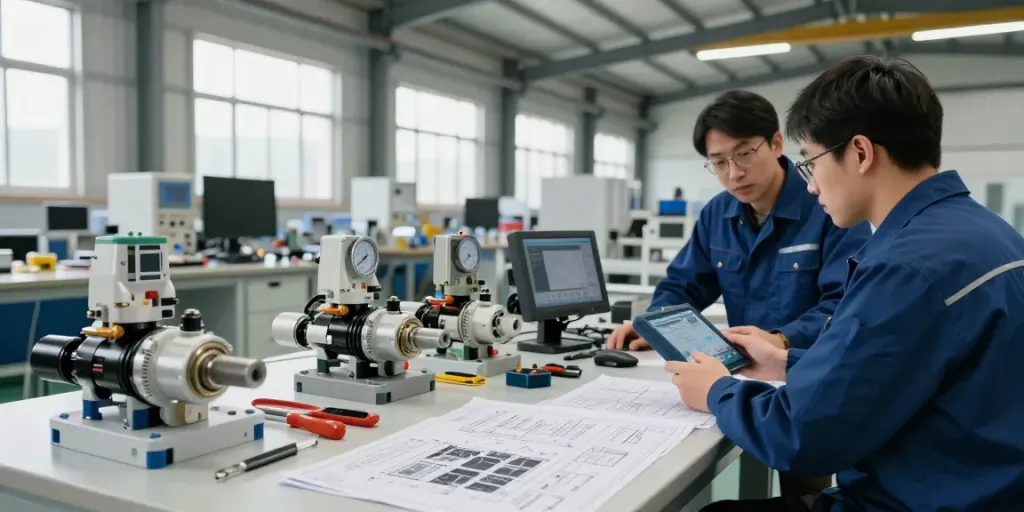
Understanding Mechanical Vacuum Switch Technology
In today's industrial landscape, the demand for precision in monitoring and controlling pressure is more crucial than ever. Mechanical vacuum switches are essential components in various applications ranging from HVAC systems to industrial automation. These devices offer a reliable means of controlling vacuum levels in critical processes, ensuring systems operate efficiently and safely. They are designed to activate or deactivate at specific pressure thresholds, providing an effective solution for maintaining optimal conditions. When exploring options, mechanical vacuum switch products like those from LEFOO stand out due to their robustness and reliability.
What is a Mechanical Vacuum Switch?
A mechanical vacuum switch is an electromechanical device designed to detect and respond to vacuum pressure levels within an enclosed system. Unlike electronic switches, which rely on sensors and circuits, mechanical vacuum switches utilize physical mechanisms such as diaphragms and springs to operate. This simplicity not only makes them durable but also beneficial in environments where electronic components might fail due to extreme conditions.
The Anatomy of a Mechanical Vacuum Switch
Understanding the components of a mechanical vacuum switch is key to appreciating its functionality. Typically, a mechanical vacuum switch consists of the following parts:
- Diaphragm: This flexing membrane is crucial for sensing vacuum pressure changes.
- Mechanical Linkage: Typically made of high-strength materials, this connects the diaphragm to the switch mechanism.
- Switch Mechanism: This may be a simple toggle or a more complex actuator that opens or closes an electrical circuit based on the diaphragm's movement.
- Adjustment Mechanism: Offers users the ability to set the desired vacuum threshold, often without the need for specialized tools.
How Mechanical Vacuum Switches Operate in Various Industries
Mechanical vacuum switches are versatile and find applications across numerous industries. They are particularly prevalent in sectors such as:
- HVAC Systems: Ensuring proper air pressure for efficient heating and cooling.
- Food Packaging: Maintaining vacuum levels to enhance food preservation and shelf life.
- Pharmaceutical Manufacturing: Assuring sterile environments through precise vacuum control.
- Aerospace: Monitoring vacuum conditions in critical onboard systems.
Applications of Mechanical Vacuum Switches
HVAC Systems: Essential Control Mechanisms
In HVAC systems, mechanical vacuum switches play a vital role in maintaining the efficiency of cooling and heating systems. By managing the vacuum levels within compressors and evaporators, these switches help prevent equipment damage and ensure optimal performance. An accurate mechanical vacuum switch can significantly enhance the reliability of HVAC operations, reducing downtime and maintenance costs.
Industrial Automation: Enhancing Process Reliability
In the realm of industrial automation, mechanical vacuum switches are pivotal for ensuring process reliability. They are employed in various applications, such as controlling vacuum pumps and monitoring pressure levels in pneumatic systems. Their robust construction and inherent fail-safe features allow operators to maintain consistent performance even in demanding environments.
Safety Features in Hazardous Environments
Safety is paramount in industrial settings, especially when working with hazardous materials. Mechanical vacuum switches often come with fail-safe options, ensuring that systems revert to a safe state in case of a pressure deviation. This feature not only protects equipment but also safeguards personnel, making these switches an integral part of safety protocols.
Choosing the Right Mechanical Vacuum Switch
Key Specifications to Consider
When selecting a mechanical vacuum switch, several specifications should be taken into account:
- Pressure Range: Ensure the switch can handle the required vacuum levels.
- Construction Material: Look for materials resistant to corrosion and wear, such as stainless steel.
- Adjustment Features: Consider switches that allow easy field calibration.
- IP Rating: High IP ratings offer better resistance against dust and moisture ingress.
Comparative Analysis of Popular Models
Several manufacturers offer a variety of mechanical vacuum switches. Features and specifications vary significantly, with some models designed specifically for high-precision applications and others suited for more general uses. It is essential to compare these models in terms of reliability, response time, and ease of installation and maintenance to identify the best fit for your specific application.
Understanding Certification and Standards
Certifications play a crucial role in ensuring that a mechanical vacuum switch meets industry standards for safety and performance. Look for switches that comply with relevant local and international standards, such as ISO and CE certifications. These guarantees can provide assurance of the product’s reliability and safety in various operational environments.
Installation and Calibration Best Practices
Step-by-Step Installation Guide
Installing a mechanical vacuum switch requires careful attention to detail to ensure optimal performance. Here’s a simplified installation guide:
- Identify the installation site, ensuring it is accessible for maintenance.
- Mount the switch securely using appropriate hardware.
- Connect the switch to the vacuum line, ensuring no leaks.
- Set the desired vacuum threshold using the adjustment mechanism.
- Test the installation to confirm functionality.
Field Calibration Tips for Optimal Performance
Calibrating your mechanical vacuum switch should be done periodically to maintain accuracy. Follow these tips for effective calibration:
- Use a reliable reference vacuum gauge for calibration.
- Make adjustments gradually, allowing time for the switch to respond.
- Document calibration settings for future reference.
Common Installation Mistakes to Avoid
To ensure the best performance from your mechanical vacuum switch, avoid these common mistakes:
- Neglecting to check for leaks at connection points.
- Incorrectly setting the vacuum threshold.
- Failing to ensure the switch is level and securely mounted.
Future Trends in Vacuum Switch Technologies
Innovations to Watch for in 2026
As technology progresses, the future of mechanical vacuum switches looks promising. Innovations in materials and sensing technology are expected to emerge, enhancing durability and response times. Moreover, the integration of advanced calibration features could simplify setup processes, making these devices even more user-friendly.
Integration of Smart Technologies
The advent of smart technology is transforming industrial equipment, and mechanical vacuum switches are no exception. Future models may include IoT capabilities, enabling real-time monitoring and remote access to vacuum levels. This shift will enhance operational efficiency and allow for proactive maintenance strategies, reducing downtime.
Environmental Considerations and Sustainable Practices
As industries move towards more sustainable practices, the demand for eco-friendly mechanical vacuum switches is likely to rise. Manufacturers are expected to focus on using sustainable materials and reducing the environmental impact of their production processes, aligning with global sustainability goals.
What are the Operational Benefits of Mechanical Vacuum Switches?
The operational benefits of mechanical vacuum switches are substantial. Their rugged design results in a longer lifespan compared to electronic alternatives, with ratings for millions of cycles. This durability translates to lower maintenance and replacement costs, making them a cost-effective choice for many businesses.
Why Choose Mechanical Over Electronic Switches?
Mechanical vacuum switches present several advantages over electronic versions. They are less susceptible to failure in harsh environments and offer simpler installation and calibration processes. Furthermore, their inherent mechanical design assures reliable operation without the complexities associated with electronic components.
How to Maintain Your Mechanical Vacuum Switch?
Proper maintenance of a mechanical vacuum switch will prolong its life and ensure accurate performance. Regularly check for signs of wear, leakage, and calibration accuracy, and perform periodic field calibrations to maintain optimal functionality. Documentation of maintenance activities can help track performance trends and inform future maintenance needs.
Where are Mechanical Vacuum Switches Most Widely Used?
Mechanical vacuum switches are widely used in industries such as HVAC, food production, pharmaceuticals, and aerospace, among others. Their versatility and reliability make them suitable for a range of applications where precise pressure control is essential.
Are there Fail-Safe Features in Mechanical Vacuum Switches?
Yes, many mechanical vacuum switches come with built-in fail-safe features designed to prevent hazardous situations. These features ensure that, in the event of a pressure drop or malfunction, the switch will revert to a safe state, thereby protecting both equipment and personnel from potential harm.