Understanding the Importance of Professional Office Movers
Relocating an office can be a daunting task filled with logistical challenges and potential disruptions to business operations. This is where professional office movers come into play, offering businesses expert assistance in navigating the complex process of relocation. By understanding the value that professional movers bring, organisations can ensure a smoother transition, minimise downtime, and ultimately save time and money.
What Do Office Movers Offer?
Office movers provide a comprehensive range of services designed to facilitate the smooth and efficient relocation of businesses. Their offerings often include but are not limited to:
- Planning and Consultation: Professional movers assess the specific needs of the office relocation, offering tailored solutions and timelines.
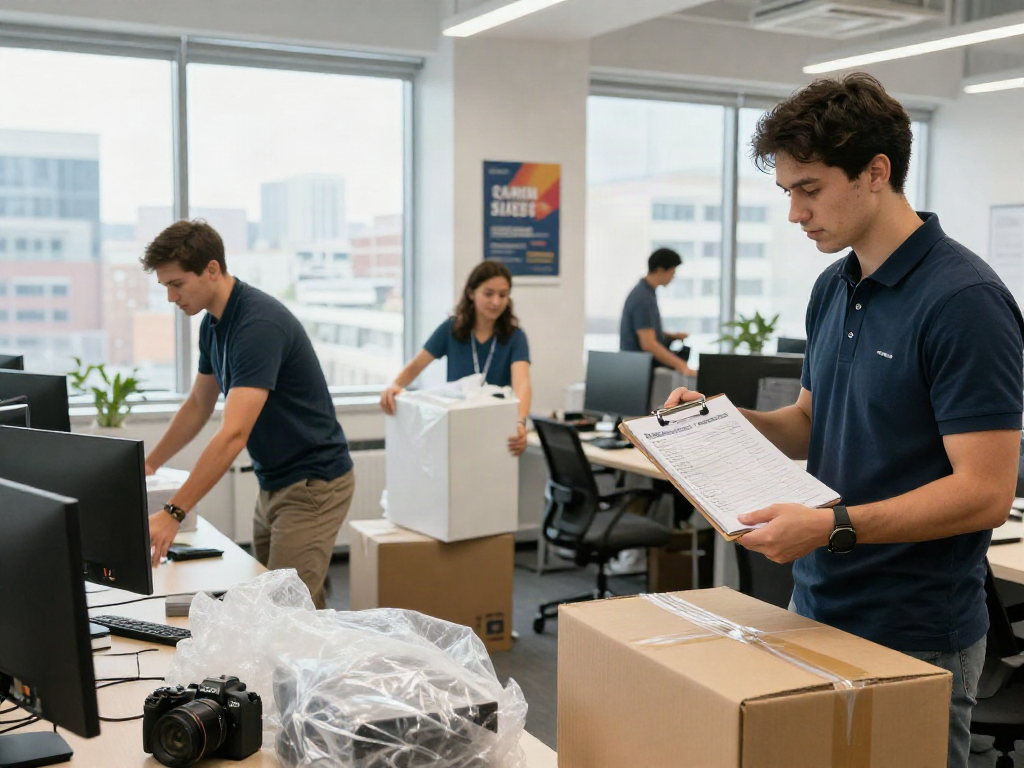
- Packing and Unpacking: Trained staff handle the packing of equipment and supplies, ensuring everything is securely packed and labelled for a streamlined unpacking process.
- Transport Services: Office movers possess suitable vehicles and equipment to transport office goods safely, which can include furniture, IT infrastructure, and sensitive materials.
- IT & Equipment Management: Many movers offer specialised services for moving bulky and delicate technology, ensuring that all equipment is set up correctly in the new location.
- Storage Solutions: If immediate relocation isn’t possible, some movers offer temporary storage facilities to keep items safe until the move is complete.
Benefits of Hiring Trained Professionals
The advantages of hiring professional office movers go beyond just convenience. Businesses can benefit from:
- Expertise and Experience: Trained professionals have the experience necessary to handle unexpected challenges during a move.
- Time Efficiency: Professionals are adept at managing timelines, which can help develop a systematic approach to the relocation process.
- Risk Mitigation: Hiring experienced movers reduces the risk of damage to property and equipment, as they are trained to handle items with care.
- Disruption Minimisation: Professional movers ensure that the transition is as seamless as possible, allowing for continued productivity during the relocation.
Common Misconceptions about Office Moving
Despite the clear advantages, several misconceptions about office moving can deter businesses from hiring professionals.
- Cost: Many assume that hiring professional movers is too expensive, but the long-term savings from reduced downtime and damage can outweigh initial costs.
- Complexity: Some believe they can manage the move internally. However, the complexities involved often require professional expertise to avoid mishaps.
- Time-Consuming: While moving is time-consuming, professional movers significantly expedite the process, allowing businesses to focus on their core operations.
Choosing the Right Office Movers for Your Business
The process of selecting the right office movers is critical to the success of your relocation. Doing your homework and understanding what to look for can significantly affect your move's outcome.
Key Factors to Consider When Selecting Movers
When evaluating potential office movers, consider the following key factors:
- Reputation: Look for movers with a solid track record and positive customer reviews.
- Specialisation: Ensure the movers specialise in office relocations and understand the unique challenges involved.
- Insurance and Licensing: Confirm that the company is properly insured and licensed to operate in your area.
- Services Offered: Assess whether they provide additional services like packing and storage, which can simplify the moving process.
Evaluating Credentials and Experience
It is essential to verify the credentials and experience of the movers you are considering:
- Years in Service: Companies with a significant history in the industry are likely to be more skilled.
- Certifications: Industry certifications can indicate a company’s commitment to professional standards.
- Client Testimonials: Real-life testimonials can provide insight into their performance and reliability.
How to Obtain and Compare Quotes
Requesting quotes from multiple movers is a great way to ensure you receive competitive pricing. Here's how to do it effectively:
- Detail Your Needs: Provide detailed information about your move to get accurate quotes.
- Compare Offers: Look beyond the price; consider what is included in each quote.
- Ask Questions: Don’t hesitate to ask about any unclear terms or conditions in the quotes.
Preparing Your Office for Relocation
A successful office move requires thorough preparation to minimise disruption. Below are essential steps to consider when preparing for relocation.
Checklist for a Smooth Moving Process
Creating a checklist can help ensure all aspects of the relocation are covered:
- Notify employees and stakeholders.
- Coordinate with the selected moving company.
- Obtain necessary permits if required for the new location.
- Organise packing materials and decide what to take or leave.
- Update the company’s address in relevant databases and on websites.
Minimising Downtime During the Move
To minimise downtime, it’s crucial to plan the moving schedule strategically:
- Weekend Moves: Consider moving during off-peak hours or weekends when the office is closed.
- Phased Moving: If feasible, move in stages to ensure critical operations continue.
Communicating with Employees and Stakeholders
Effective communication is vital throughout the moving process:
- Provide regular updates to staff about the move progress.
- Share resources and information that can help employees adjust to the new location.
Best Practices for a Successful Office Move
Implementing best practices can significantly enhance the relocation experience for businesses.
Understanding Logistics and Scheduling
It's essential to have a well-structured logistics plan in place:
- Inventory Management: Keep track of what will be moved and what will be replaced.
- Timeline Creation: Develop a moving timeline that includes all critical dates and tasks.
Coordinating IT and Technical Equipment
Many businesses rely on technology for their operations, which requires careful planning:
- IT Team Involvement: Involve IT personnel early in the planning to ensure all equipment is accounted for and safely relocated.
- Data Backup: Prior to the move, ensure that all important data is backed up to prevent any potential loss.
Post-Move Follow-Up and Feedback
After the move, it's equally important to evaluate the process:
- Gather feedback from employees on the moving experience and any issues they faced.
- Assess the overall success of the move and identify areas for improvement in future relocations.
The Future of Office Moving: Trends for 2026
The office moving industry is continuously evolving. As we look towards 2026, several trends are emerging that will shape the future of office relocations.
How Technology is Changing Office Relocation
Technology is playing a crucial role in transforming office moving:
- Virtual Reality: VR technology can help businesses visualise their new space before relocating.
- Moving Apps: Innovations in moving apps can streamline communication and coordination among all parties involved.
Sustainable Moving Practices and Their Importance
As awareness of environmental issues increases, sustainability in the moving industry is becoming a priority:
- Eco-Friendly Materials: Many movers are now offering sustainable packing materials and practices.
- Reducing Waste: Businesses are encouraged to donate or recycle unwanted furniture and equipment instead of discarding them.
Predictions for the Office Moving Industry
Looking ahead, several predictions can be made regarding the office moving industry:
- Increased reliance on technology will streamline moving processes.
- More businesses will prioritise sustainability in their relocation plans.
- Growing competition will lead to enhanced services and lower prices.
What Should You Look for in Office Movers?
When considering movers, focus on the following:
- Experience in specific types of moves (e.g., corporate relocations).
- Quality of service and customer support during the move.
- Flexibility and capacity to adapt to your business's unique needs.
Are All Office Movers the Same?
Not all movers are created equal. It is crucial to assess:
- Specialisation in office relocations.
- Variety of services offered, including additional support like IT and furniture assembly.
- The scale of operations, which may affect availability and responsiveness.
What Costs Are Associated with Office Moving?
The costs of office moving can vary greatly based on several factors:
- Distance of the move.
- Size and weight of the items being moved.
- Additional services such as packing, unpacking, and furniture assembly.
How to Prepare Employees for a Move?
Preparing employees for a move can help ease potential anxieties:
- Involve them in the planning process to foster a sense of ownership.
- Provide training or orientation to help them adjust to the new environment post-move.
What to Do After the Move?
Following the completion of the move, take these steps to ensure a successful transition:
- Conduct a thorough evaluation of the new space and address any immediate concerns.
- Continue to engage employees in making the new office feel like a home.